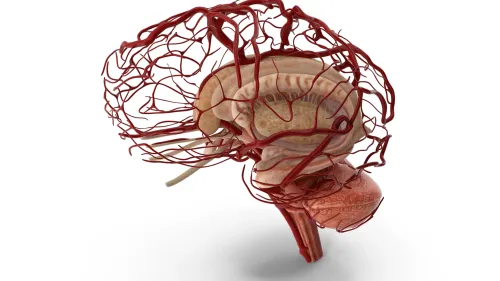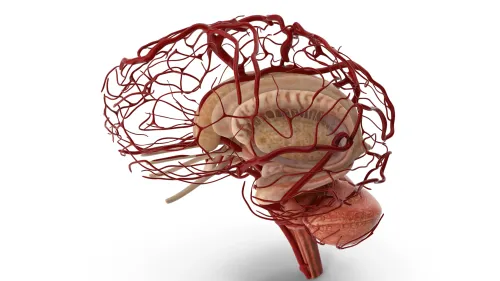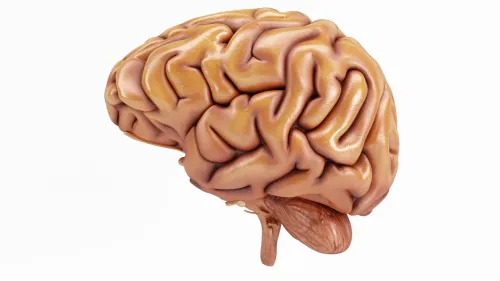
A stroke often happens suddenly, but recovery and rehabilitation usually become a long emotional journey for patients and families. Difficulty speaking, facial weakness, imbalance, numbness, confusion, or weakness on one side of the body are symptoms that require immediate medical attention. Quick neurological response can make a significant difference in stroke management.
At Dr. Chetna Patil in Baner, stroke-related neurological consultations focus not only on diagnosis but also on understanding recovery challenges after the emergency phase. Many patients struggle with movement confidence, speech coordination, memory changes, or emotional stress after a stroke event.
Common warning signs associated with stroke include:
- Sudden weakness in arms or legs
- Facial drooping
- Difficulty speaking
- Sudden confusion
- Severe dizziness
- Balance loss
- Sudden unexplained headache
One repeated concern families express is uncertainty about what recovery may look like. Stroke recovery varies greatly depending on severity, timing of treatment, overall health condition, and rehabilitation support. Neurological follow-ups help monitor progress while guiding patients regarding mobility, medications, nerve function, and lifestyle changes.
People often delay treatment because symptoms initially appear temporary. But neurological emergencies should never be ignored, even if symptoms improve within minutes. Early recognition remains one of the most important aspects of stroke care awareness.
Baner has seen growing awareness around preventive neurological health, especially among working professionals and elderly individuals managing lifestyle-related health risks. Understanding warning signs early may help people seek faster medical attention when needed.
If you or a family member are dealing with stroke-related symptoms, recovery concerns, or neurological weakness, Dr. Chetna Patil can help guide further neurological evaluation and supportive care planning.