
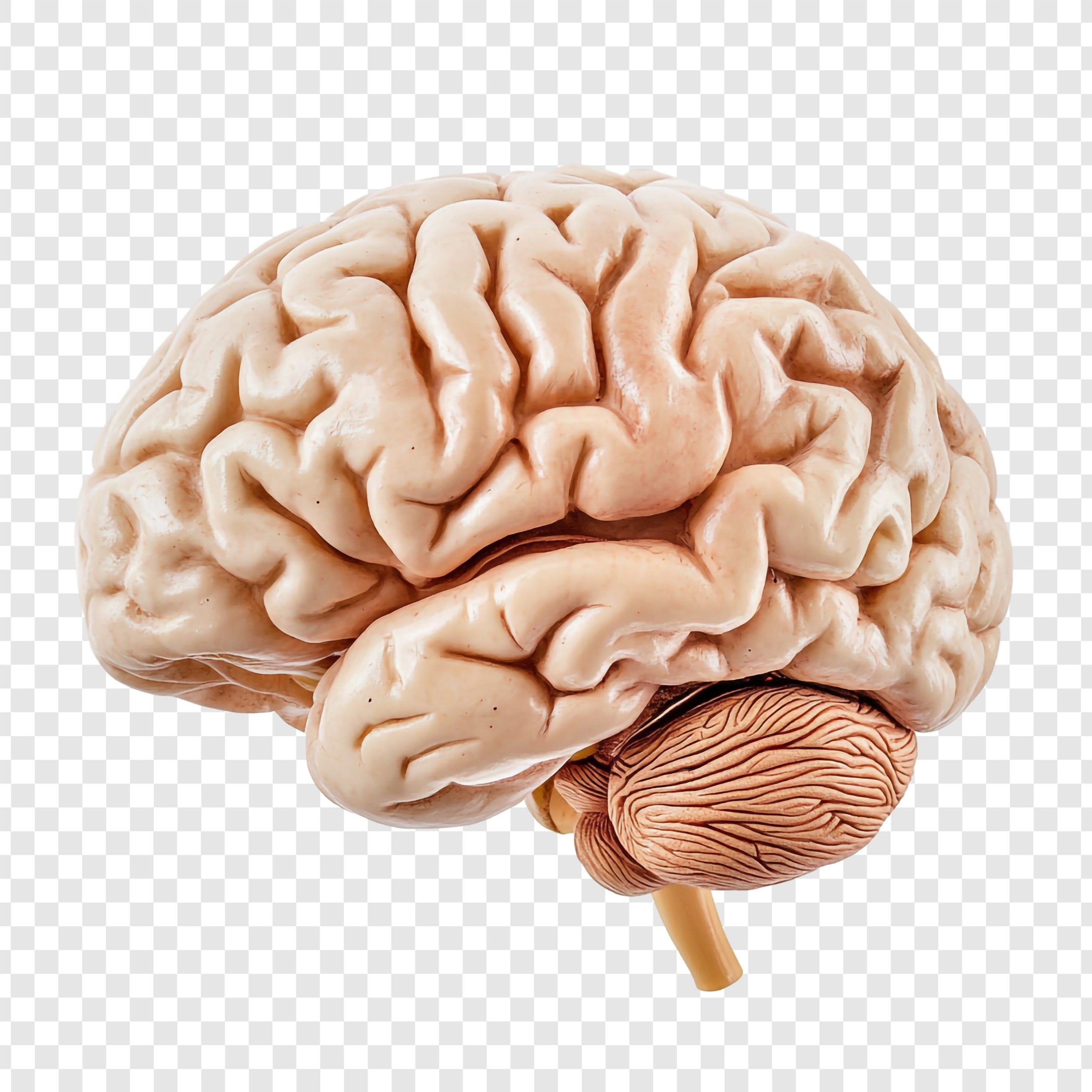
Vertigo can feel frightening, especially during the first episode. The room suddenly feels like it is spinning, balance becomes difficult, and simple movements create discomfort or nausea. Many people confuse vertigo with general weakness, but recurring dizziness may sometimes indicate inner ear or neurological involvement.
At Dr. Chetna Patil in Baner, patients often arrive feeling anxious because vertigo affects confidence in everyday movement. Some people avoid travelling alone, climbing stairs, or driving after repeated dizzy spells. Others experience vertigo alongside headaches, neck pain, or balance disturbances.
Common vertigo-related complaints include:
- Spinning sensation
- Loss of balance
- Nausea during movement
- Sudden dizziness
- Difficulty focusing visually
- Ear-related imbalance sensations
- Vertigo associated with migraine
One reason vertigo becomes stressful is unpredictability. Symptoms may appear suddenly while walking, turning the head, or getting out of bed. That uncertainty can gradually affect emotional wellbeing too.
Neurological evaluation helps determine whether symptoms are related to migraine-associated vertigo, nerve involvement, cervical issues, vestibular disturbances, or other neurological causes. Patients often ask whether vertigo is dangerous. The answer depends on the underlying cause, which is why professional assessment becomes important when symptoms recur frequently.
Lifestyle factors such as stress, sleep deprivation, dehydration, and prolonged screen exposure may also worsen dizziness in some individuals. Understanding triggers often becomes an important part of managing recurring episodes.
People in Baner are increasingly seeking early neurological consultation instead of waiting for dizziness to become severe or disabling. If repeated vertigo or balance-related discomfort has started affecting your confidence and routine activities, Dr. Chetna Patil can help evaluate the symptoms with a neurological perspective.