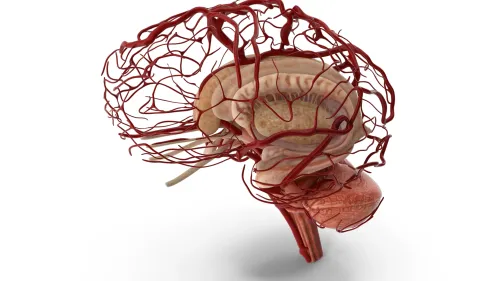


Ongoing migraine is usually managed by a neurologist or neurophysician with headache experience, not by a surgeon. You will learn which symptoms need urgent care, when imaging or neurosurgical review is appropriate, and how to choose the right first appointment in Pimpri Chinchwad.
Key takeaways
- See a neurologist or neurophysician first for recurring migraine without neurological warning signs.
- Seek urgent care for sudden severe headache, weakness, confusion, seizure, or vision loss.
- Ask about preventive treatment when migraine disrupts work, sleep, or normal activities.
- Bring a headache diary, medicine list, scan reports, and details of your symptoms.
Which specialist should you contact first for recurring migraine?
For recurring migraine without signs of a brain lesion, contact a neurologist or neurophysician first, ideally one with headache expertise. This clinician diagnoses migraine, checks your neurological function, reviews medicines and builds a prevention plan.
| Specialist | Main role | When to contact |
|---|---|---|
| Neurologist or neurophysician | Diagnoses and manages migraine medically | First choice for recurring migraine |
| Neurosurgeon | Assesses structural disease and surgical options | Suspected tumour, aneurysm, hydrocephalus, compressive lesion or selected nerve disorder |
| Emergency team | Assesses sudden or dangerous neurological symptoms | Sudden severe headache, weakness, confusion, seizure or fainting |
Ordinary migraine has no established routine neurosurgical operation. A neurosurgical referral does not mean the migraine itself is surgically treatable; it means examination or imaging has raised concern about a structural problem that could require an operation.
If you search for a neurosurgeon for ongoing migraine in Pimpri Chinchwad or a neurosurgeon for migraine near me, verify:
- Specialty registration and recognised neurosurgical qualifications.
- Specific experience managing headache, not only performing operations.
- Access to a complete neurological examination.
- A review of every migraine medicine, dose, frequency and side effect.
- A planned follow-up visit to assess diagnosis, treatment response and whether referral or further testing is needed.
A clinician listed as a neurosurgeon is not automatically the right first choice for uncomplicated recurring migraine.
Which symptoms fit migraine, and which warning signs need urgent care?
A migraine pattern usually consists of attacks lasting 4 to 72 hours, with moderate-to-severe pain that is often one-sided, throbbing or pulsating, and worsened by routine activity. Nausea or vomiting and sensitivity to light or sound strengthen the pattern.
| Pattern | Typical features | What to do |
|---|---|---|
| Migraine | Recurrent attacks lasting 4–72 hours; one-sided, pulsating, moderate-to-severe pain; worse with walking or routine activity; nausea, vomiting, light sensitivity or sound sensitivity | Arrange clinical assessment if attacks recur |
| Migraine with aura | Temporary visual symptoms such as flashing lights or zigzag lines, sensory symptoms such as tingling, or speech difficulty before or during the headache | Report the timing and duration; persistent symptoms are not typical aura |
| Possible emergency | Sudden thunderclap headache; new weakness or numbness; confusion; trouble speaking; fainting; seizure; persistent visual loss; fever with neck stiffness; headache after head injury; headache during pregnancy or soon after delivery; major change in an established pattern | Seek emergency assessment immediately |
Aura symptoms usually develop temporarily and then resolve. New, prolonged, or unexplained neurological symptoms need urgent evaluation because bleeding, infection, vascular disease, raised pressure in the skull, or another secondary headache can resemble migraine. Do not wait for a routine migraine appointment when any warning sign appears.
When does ongoing migraine require a specialist review?
Book specialist care when attacks are frequent, headache days are steadily increasing, or migraine is disrupting normal life. A migraine specialist near wakad can assess the pattern before it becomes harder to control.
- You miss work, school, or family activities because of headache.
- An attack lasts unusually long or keeps returning before you recover.
- Acute medicines provide poor relief, or you need them repeatedly.
- Painkiller use is becoming a regular part of your week.
- Your established headache pattern changes without a clear explanation.
Chronic migraine means headache on at least 15 days each month for more than three months, with migraine features on at least eight days.
Medication-overuse headache involves headache on at least 15 days monthly plus overuse for more than three months: triptans, opioids, ergotamines, or combination analgesics on at least 10 days per month, or paracetamol and NSAIDs on at least 15 days.
During the consultation, bring a headache diary. The clinician will ask about attack frequency and duration, pain location, triggers, aura, every medicine and dose, and how often you take it. A neurological examination follows, then a decision about preventive treatment or imaging.
Preventive choices depend on your medical history, side effects, and pregnancy plans; frequent or disabling migraine may justify them even when scans are unnecessary.
When is a brain scan useful for migraine?
A brain scan is useful when your history or neurological examination raises concern for a cause beyond typical migraine. Doctors diagnose migraine principally from the pattern of attacks, associated symptoms, medical history and examination—not from an image.
MRI is preferred for many non-emergency structural questions because it provides detailed views of brain tissue. CT is faster and is commonly used when doctors need to assess urgent bleeding, skull injury or another emergency.
Imaging is not routinely needed for a typical, stable migraine when your neurological examination is normal and you have no warning signs. A scan does not diagnose migraine, a normal scan does not rule it out, and an incidental finding does not automatically explain your headaches.
Neurosurgical review becomes relevant when examination or imaging identifies a condition that could compress the brain or obstruct normal fluid flow, such as:
- A mass lesion, including a tumour
- An aneurysm requiring specialist vascular assessment
- Obstructed cerebrospinal-fluid flow, including hydrocephalus
- Another compressive lesion affecting brain tissue or nearby nerves
The finding still needs clinical interpretation. A referral to a neurosurgeon does not mean your migraine requires surgery; it means a structural problem needs assessment. Treating a scan as proof that an operation is necessary can lead to the wrong decision.
How can you prepare for the right migraine appointment in Pimpri Chinchwad?
Bring a four-week headache record to the appointment; it is more useful than trying to reconstruct attacks from memory. Use this checklist:
1. Record each headache’s date, duration, location, severity from 0 to 10, nausea, vomiting, light or sound sensitivity, aura, suspected triggers, and menstrual timing.
2. List every acute and preventive medicine, including the dose, how often you take it, how quickly it works, side effects, and whether the treatment reduced pain or restored function.
3. Add prior scan reports and images, if available, plus relevant medical conditions, pregnancy plans, and medicines prescribed by other doctors.
4. Continue the diary after treatment begins. It helps distinguish episodic migraine, chronic migraine, medication-overuse headache, and possible secondary headache, while showing whether prevention reduces headache days.
Someone searching for a migraine specialist near Wakad or a neurosurgeon near Hinjewadi should prioritise neurological assessment, headache-management experience, medication review, and planned follow-up over the job title in a listing.
Dr. Chetna Patil - Best Neurologist in Pune is a neurologist and neurophysician in the PCMC area who can assess recurring migraine and decide whether further investigation or referral is warranted. Ask how follow-up will measure progress, not only which scan or medicine comes next.
Related services
Migraine treatment in Wakad Hinjewadi Pimple Saudagar Migraine Are you seeking relief from debilitating migraines? Dr. Chetna Patil offers comprehensive migraine services tailored to alleviate your discomfort and... |
Neurophysician Headache and Vertigo Neurophysician Headache and Vertigo Headache Treatment with Dr. Chetna Patil, Neurologist & Neurophysician Understanding Headaches: Headaches are one of the most common neurological... View service → |
Frequently asked questions
Which specialist should you contact first for recurring migraine?
Contact a neurologist or neurophysician with headache expertise first. A neurosurgeon becomes relevant when examination or imaging identifies a condition requiring surgical assessment.
Which symptoms fit migraine, and which warning signs need urgent care?
Migraine can cause recurring moderate or severe headache, nausea, vomiting, and sensitivity to light or sound, with or without aura. Seek urgent care for a sudden worst-ever headache, new weakness, confusion, seizure, fainting, fever with neck stiffness, or sudden vision loss.
When does ongoing migraine require a specialist review?
Arrange a specialist review when headaches recur, interfere with daily activities, require frequent pain medicine, change pattern, or do not improve with your current plan.
When is a brain scan useful for migraine?
A scan is useful when the neurological examination is abnormal, the headache pattern changes, warning signs appear, or the clinician suspects another cause. Typical migraine with a normal neurological examination often does not require routine imaging.
How can you prepare for the right migraine appointment in Pimpri Chinchwad?
Bring a headache diary recording dates, duration, symptoms, triggers, menstrual timing, and medicines taken. Also bring your current medicine list, previous scan reports, and a description of warning signs or changes in the headache pattern.